1
Move people and pets
Bring children and animals indoors or into a secure area without crossing the snake’s path.

Local snake removal · available 24/7
Agnes Banks sits on sandy country beside the Nepean-Hawkesbury floodplain, with horse properties, turf farms, bushland and long rural drives. Its nature reserve protects a landscape found in very few places. That makes the suburb genuinely distinctive—and makes a generic Western Sydney page especially unhelpful here.
Give it room. Do not corner, touch, trap or kill it, and never put yourself between the snake and the way it appears to be travelling.
Bring children and animals indoors or into a secure area without crossing the snake’s path.
Watch from behind glass, a fence or another protected position. If it disappears, remember the last fixed marker and direction.
Give the exact address, access details, last position and whether the snake is indoors, outside, injured or trapped.
Keep the person still and follow the emergency operator’s instructions. Apply a pressure immobilisation bandage if available. Do not wash, cut or suck the bite, use a tight tourniquet or try to catch the snake.
The defining feature is the contrast between the sandy rise around Agnes Banks Nature Reserve and the lower alluvial country toward the river. Large blocks may contain paddocks, stables, irrigation equipment, dams, sheds and patches of woodland. A snake can move from open ground into deep cover without ever going near the house.
NSW reserve planning describes Agnes Banks Nature Reserve as scientifically important relic sand-dune country with high erosion potential. Penrith’s landscape study notes Agnes Banks Woodland on dune-like soils, with alluvial flats and swamp-oak country closer to the Nepean. The reserve is primarily for conservation and low-impact use, not a convenient release site for unlicensed relocation.
For a call-out, state the correct gate, whether the sighting is on the sandy bush side or the lower paddock side, and the nearest fixed structure. Keep horses and dogs away without walking the fence line. If the snake moves into the reserve or dense vegetation, do not follow it.
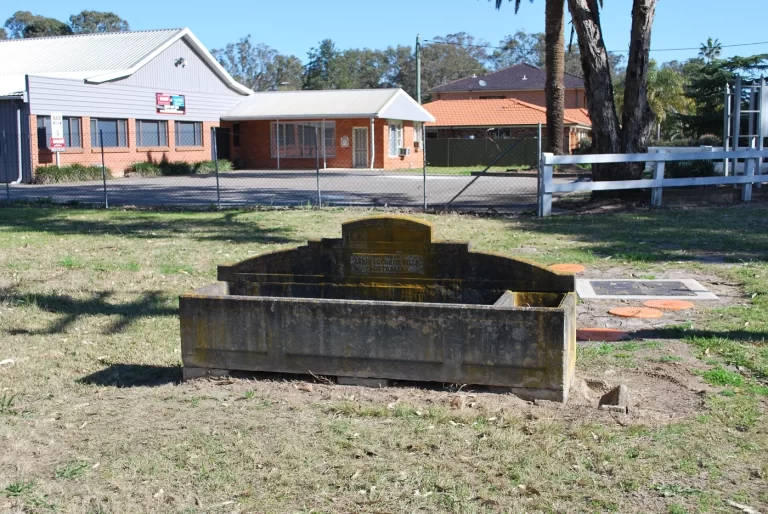
These named places are included because they explain the suburb’s real terrain. They do not prove that a particular snake occurs at a particular address.
The reserve protects scientifically important relic sand-dune habitat. Its fragile soils and conservation value make it a place to leave undisturbed rather than a search area after a sighting.
Council landscape studies describe a small patch of distinctive woodland on dune-like soils. That geology and vegetation set Agnes Banks apart from the clay and gravel country elsewhere on the Cumberland Plain.
Alluvial flats, drainage and river-associated vegetation lie toward the river side of the suburb. They add wet habitat to a district otherwise known for open sandy ground and rural land uses.
Do not search these spaces yourself. Use the descriptions below to give our team a clear, undisturbed starting point.
Secure horses and dogs in a separate area approached from the opposite side. Leave hay, feed bags and stable equipment still and give our team the yard or paddock name.
Stop mowers and irrigation work in the immediate area. Do not walk irrigation lines or drainage edges trying to find a snake that has disappeared.
Use the house, vehicle or a clear hard surface as the watching point. Do not enter the reserve, sand woodland or scrub after a snake moving away.
These are Harley’s own regional field images. They show two very different habitat settings, but neither photograph is presented as a Agnes Banks call-out.
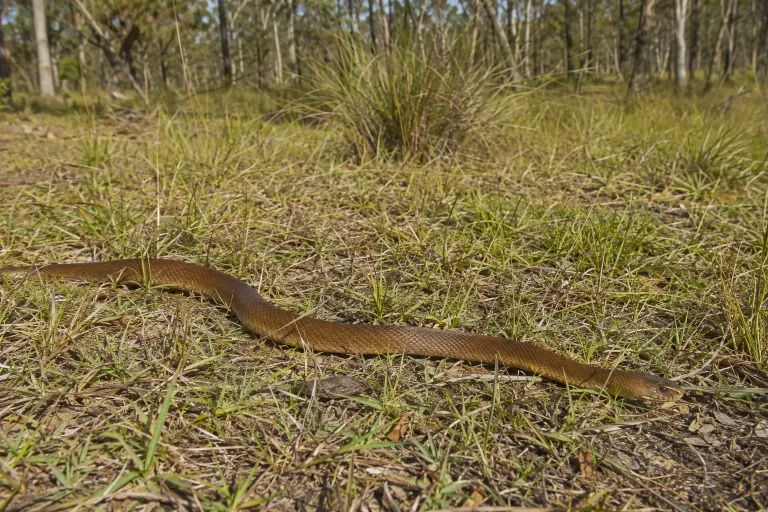
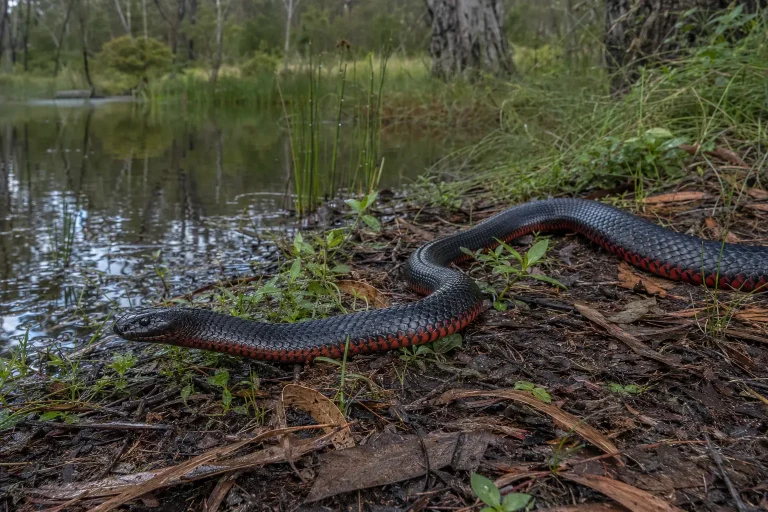
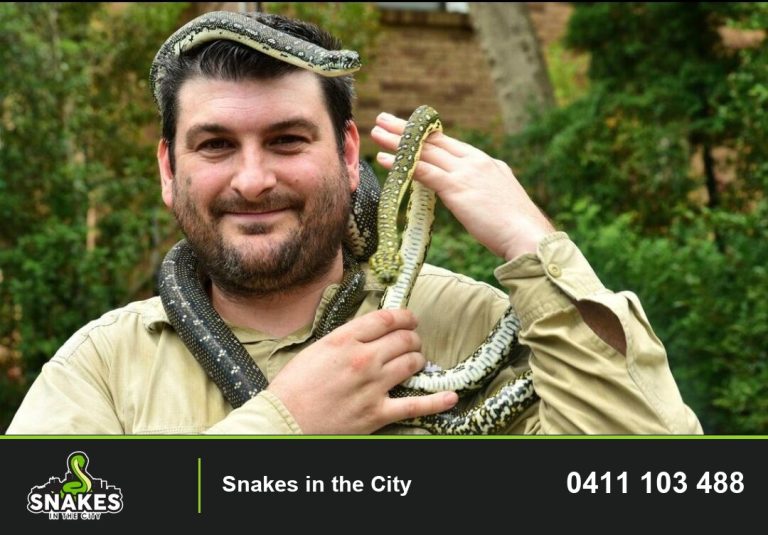
Harley Jones, Snakes in the City.
This photograph identifies the catcher who may attend. It is not a staged local sighting or a stock photograph.
Agnes Banks contains dry sandy woodland, open rural land and wetter river-flat habitat. Those contrasts make several western Sydney species plausible in the wider locality, but they do not identify a snake on a particular farm or road.
Open ground, sheds, building edges and places with rodent activity can provide useful habitat clues. Colour is wildly variable, so a tan, grey or dark snake should never be identified from colour alone.
Creeks, wetlands, dams, drains and frog-rich gardens are the habitat clues people often associate with this species. The red flank is not always visible, especially from above or at a distance.
Mature trees, roof spaces, rockwork and sheltered gardens can suit a diamond python. It is non-venomous, but an unknown snake still needs space and should not be handled by a householder.
An unknown snake stays unknown until it is assessed properly. Natural variation, juveniles, shadows and distance make colour matching unreliable.
No normal home, garden or rural block can be guaranteed snake-free. The useful goal is better visibility, fewer concealed shelter points and less food for rodents.
These verified contacts are included for safety, not as endorsements. A human snakebite is always a 000 emergency; do not drive the patient to hospital yourself unless emergency services direct you.
Derby Street, Kingswood NSW 2747
Hospital information: (02) 4734 2000
Suspected snakebite: call 000, not the hospital switchboard.
1 Rowood Road, Prospect NSW 2148
24/7 veterinary option: See the provider’s website for contact details
Keep pets away from the snake and call the veterinary team for transport advice.
No. Stay out of dense vegetation and do not pursue wildlife into conservation land. Note the last safe landmark and direction and explain what happened when you call.
No. Soil and open habitat are clues only. Several reptiles can use the same landscape and colour or ground type cannot confirm the species.
Move them only from a route that stays well away from the snake. Secure dogs as well. If any animal may have been bitten, call a vet immediately and minimise its movement.
Give the correct gate, a visible roadside marker, the internal turn and the nearest named paddock, stable, shed, dam or pump. A location pin can help after dark.
No. The sensible aim is a visible, well-maintained zone around frequently used buildings and paths. Clearing protected or valuable habitat is not a responsible snake-prevention plan.
Local landscape facts were checked against: Agnes Banks Nature Reserve · Agnes Banks Woodland · Nepean floodplain. Snake safety follows Healthdirect and NSW Environment. Local details reviewed 28 August 2026.
These links connect Agnes Banks with nearby service pages and its wider regional service area.
Regional guide: View Penrith and the Lower Blue Mountains service area.
Keep your distance, bring people and pets away and call Snakes in the City with the last safe location. If anyone may have been bitten, call 000 immediately.
Looking for broader wildlife context? The mapped place point for Agnes Banks falls in square C3 of our 2025 Sydney-region observation report. A suburb can extend into neighbouring squares; this is an orientation guide, not a suburb boundary map.
View square C3 around Agnes Banks in the observation report →
Counts apply to the whole square, not each suburb listed. A suburb appearing in a square does not mean a snake was recorded in that suburb. These are public observation records, not SITC call-outs, unique snake totals or a measure of danger.
