1
Move away
Bring children and pets indoors or into a closed room. Give the snake several metres of space and avoid sudden movement.

Local snake removal · available 24/7
A snake at your Lower North Shore home, workplace or property needs calm, professional handling. Keep people and pets well back, maintain a safe view if possible, and call Snakes in the City for snake capture and removal.
Create distance first. Do not identify, corner, touch, trap or kill the snake. Never put yourself between it and an escape route.
Bring children and pets indoors or into a closed room. Give the snake several metres of space and avoid sudden movement.
If it is safe, watch from behind a closed window, fence or other secure position. Note its last-known location without chasing it.
Provide the address, access instructions, where the snake was last seen and whether it is indoors, outside, injured or trapped.
Keep the person still, apply a pressure immobilisation bandage if available, and wait for an ambulance. Do not wash the bite, cut or suck the wound, use a tight tourniquet, or try to catch the snake.
The Lower North Shore is a set of connected harbour landscapes, not one uniform habitat. Sydney sandstone, steep foreshore reserves, creek and drainage lines, mature gardens and closely built residential or commercial streets meet differently from Mosman to Hunters Hill and from North Sydney to the Lane Cove River.
Along the Hunters Hill and Lane Cove peninsulas, reserve corridors and river edges run close to established homes. Around Willoughby and Middle Harbour, bushland fingers descend towards waterways beside residential ridges. In North Sydney, St Leonards and Chatswood, sightings can still occur around landscaped strata grounds, loading areas, garages, retaining walls and construction sites, especially where these connect to parks or drainage.
Use the exact address, last known position and property-access details when calling. A suburb name alone cannot establish species, urgency or whether a snake is resident; water, prey, shelter and connected habitat are more useful clues.
Do not search by reaching into concealed spaces. These are details to report to the catcher from a safe position.
The Woolwich view anchors this page in the region’s sandstone harbour geography. The two snake images are first-hand Sydney field photographs supplied by Snakes in the City; neither is represented as a record from a particular suburb or call-out.
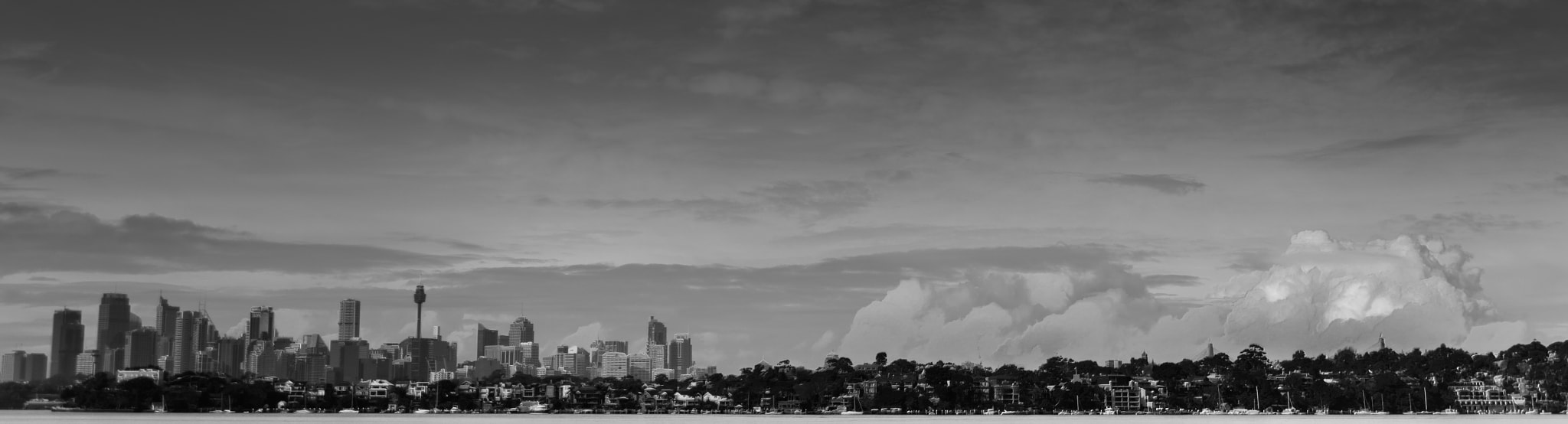
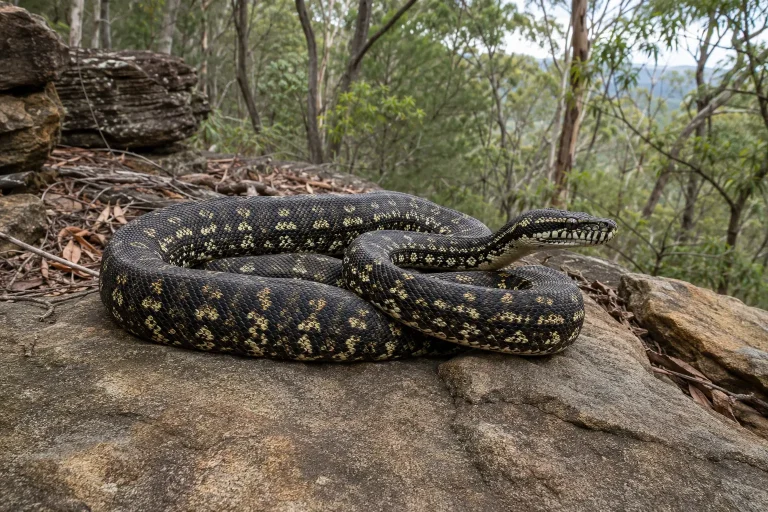
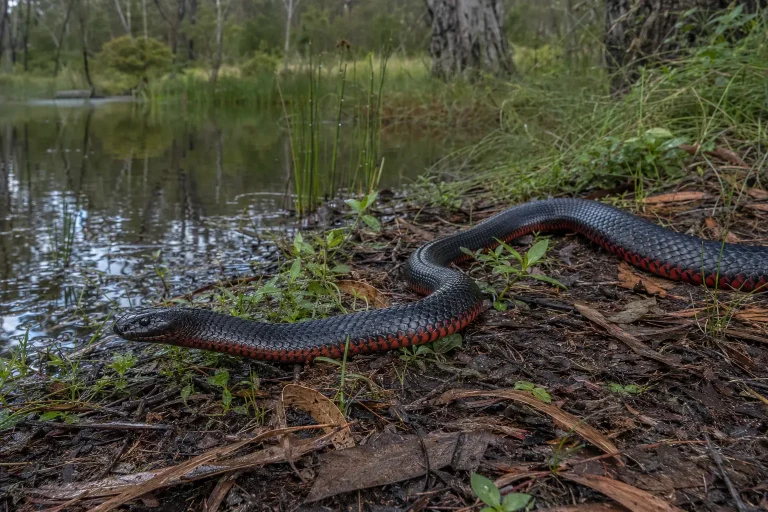
This is regional context, not a promise that either species occurs on every Lower North Shore property. Never rely on colour alone: age, lighting and natural variation make quick identification unreliable.
A non-venomous python associated with bushland areas around Sydney. Roof spaces, rock features and dense cover can offer temporary shelter.
May occur around wetter corridors and creek habitat. It is venomous; do not approach to look for a red underside.
No garden design can guarantee a snake-free property. The practical goal is to reduce concealed shelter and the food sources that attract prey.
These verified contacts are included for safety, not as endorsements. A human snakebite is always a 000 emergency; do not drive the patient to hospital yourself unless emergency services direct you.
Reserve Road, St Leonards NSW 2065
Hospital information: (02) 9926 7111
Suspected snakebite: call 000, not the hospital switchboard.
63 Herbert Street, Artarmon NSW 2064
24/7 veterinary option: See the provider’s website for contact details
Keep pets away from the snake and call the veterinary team for transport advice.
Call while you still know where it is, provided you can do so safely. A snake can disappear into vegetation, a roof space or stored material quickly.
Only take a photograph from a safe distance using zoom and a physical barrier. Never move closer or block the snake to get a clearer image.
If it is already inside a room and you can close the door without going near it, do so and place a towel along the door gap. Do not re-enter.
No. Maintenance can reduce cover and prey activity, but snakes can still pass through well-kept Lower North Shore properties.
Give the exact address, safest access point, last-known position, whether the snake is indoors or outside, and any nearby pets, people or site hazards.
Choose the geographic cluster that matches the property. Every live member page appears once; the groups follow waterways, peninsulas and practical local connections rather than alphabetical order.
Peninsulas and established suburbs shaped by the Lane Cove and Parramatta rivers, foreshore sandstone and connected reserves.
Hunters Hill peninsula and Woolwich end.
Lane Cove river and reserve edges.
Linley Point beside Burns Bay.
Longueville harbour-side peninsula.
Northwood on the lower Lane Cove River.
Riverview above the Lane Cove River.
Residential ridges and commercial centres cut by bushland gullies, creek lines and Middle Harbour foreshores.
Artarmon homes and commercial precincts.
Castle Cove beside Middle Harbour.
Castlecrag sandstone and harbour slopes.
Chatswood residential and commercial properties.
Middle Cove bushland and foreshore edges.
Naremburn parks and established streets.
Northbridge ridges and harbour reserves.
Willoughby residential and reserve corridors.
Dense urban, strata and commercial properties connected to harbour slopes, parks, drainage and landscaped grounds.
Cammeray and its creek-side approaches.
Greenwich harbour slopes and reserves.
Neutral Bay’s dense harbour-side streets.
North Sydney urban and harbour properties.
St Leonards strata and commercial sites.
Waverton’s harbour and sandstone edges.
Wollstonecraft residential harbour slopes.
Headlands, beaches, reserve edges and mature gardens around the north-eastern harbour.
Balmoral beach and reserve surrounds.
Clifton Gardens foreshore properties.
Cremorne harbour-side neighbourhoods.
Mosman homes, headlands and reserves.
Mosman Municipality service overview.
Keep your distance and call Snakes in the City. If anyone may have been bitten, call 000 immediately.
.jpg)