Thornleigh homes, units and workplaces

Snake Catcher Thornleigh

Thornleigh sits on a narrow urban ridge between rail and road corridors, bushy gullies and the edge of Berowra Valley. Snakes can move from sheltered vegetation into gardens, roof spaces, pool areas, warehouses and garages without remaining in the open for long.

Licensed NSW snake catcher · wildlife licence MWL000102655

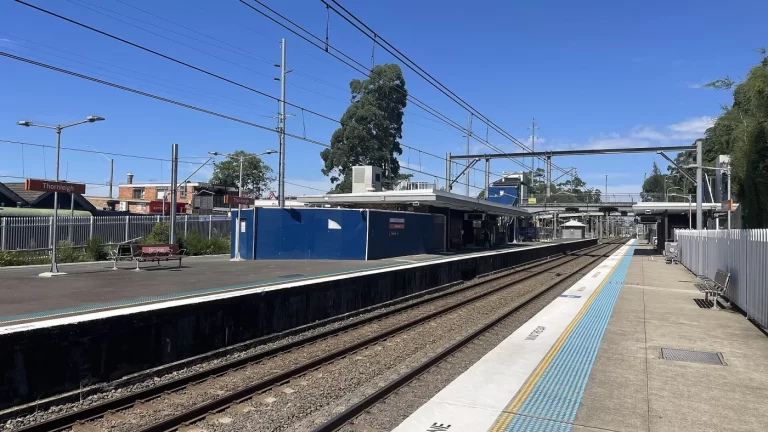
Thornleigh railway station and the urban centre of Thornleigh
Thornleigh railway station. Photo: Abesty / Wikimedia Commons, CC BY-SA 4.0.
Two sides of Thornleigh

A rail-side suburb with very different snake-call settings

East of the railway, streets fall toward Pennant Hills Park and the wider Berowra Valley bushland system. West of the line, homes, sporting areas and the commercial pocket around Bridge Road and Pennant Hills Road create a more built-up landscape. A useful response plan has to account for both: a snake beside a sandstone rear boundary is a different access problem from one under racking in a workshop.

Snakes do not need continuous bush to reach a property. Vegetated drainage lines, rock walls, railway embankments, planted verges and adjoining yards can provide short links. At the house itself, cool voids, water and prey are the important clues. Rodents around stock, seed or pet food can make a garage or storeroom more attractive to a travelling snake.

Bush connectionPennant Hills Park, sandstone gullies and habitat linking toward Berowra Valley
Built environmentDetached homes, townhouses, rail infrastructure and a compact light-industrial precinct
Frequent hiding placesRoof voids, retaining-wall gaps, pool equipment, garden edges, pallets and garages
Service coverageThornleigh 2120 plus Normanhurst, Pennant Hills, Westleigh and nearby suburbs

Why the last-seen point is especially valuable here

Many Thornleigh properties have level street entries but steep or terraced rear yards. If a snake slips behind a sleeper wall, under a deck or along a narrow side passage, the exact point can determine which access route is safest. From indoors, keep watching the gap or landmark rather than walking down to investigate.

For a warehouse or worksite, stop movement through the immediate area and nominate one person to maintain a safe visual. Forklifts, pallet movement and a crowd around the animal can turn a manageable call into a higher-risk situation.

Berowra Creek within Berowra Valley National Park near Thornleigh
Berowra Creek in Berowra Valley National Park, part of the wider habitat system east and north of Thornleigh. Photo: Peter Woodard (Poyt448) / Wikimedia Commons, CC BY-SA 4.0.
Property-by-property

Where a Thornleigh call can start

Bush-edge rear gardens

Sandstone, leaf litter and dense planting can give quick cover. Keep children and pets out of the rear yard and do not pull vegetation apart.

Roof lines and garages

Diamond pythons can climb, while any unidentified snake may use door gaps or stored items. Close the internal house door and leave the garage undisturbed.

Pools and pump housings

Frogs, warmth and sheltered equipment can draw wildlife. Never put a hand behind a filter, cover or pump after a sighting.

Commercial storage

Quiet corners, loading areas, pallets and rodent activity can create shelter and prey. Isolate the bay and preserve a clear path for the catcher.

Habitat-based possibilities

Snakes a Thornleigh catcher may need to identify

This is a locally reasoned shortlist, not a claim that every species is present on every street. The safe response is the same for a small snake and a large one: do not approach, handle or block it.

Red-bellied black snake beside damp Sydney vegetation
Red-bellied black snake beside damp vegetation. Snakes in the City field image.
Diamond python

A non-venomous python associated with Sydney bushland and sometimes roof spaces or rafters. It can climb well and still has teeth, so it should not be handled.

Red-bellied black snake

Most closely associated with damp ground, creek lines, frogs and drainage, but individuals can travel well away from visible water.

Eastern brown snake

Open disturbed ground and places supporting mice can suit this highly venomous species. Brown colour alone cannot confirm an identification.

Golden-crowned snake

A small nocturnal snake of forest and sandstone country. It may shelter under rocks, logs and leaf litter and is sometimes brought indoors by cats.

Common tree snake or yellow-faced whip snake

Slender snakes move quickly and are easily confused at a glance. Do not assume a green, grey or small snake is harmless.

Local identification traps

Two Thornleigh calls that are easy to misread

Blue-tongue lizard, not a snake

A partly hidden blue-tongue can look snake-like when only its long body or tail is visible. It is a harmless protected lizard, but do not approach an unidentified animal simply to confirm.

Noise in a tiled roof

Diamond pythons can follow rodents into roof spaces, but rats, mice and possums also make ceiling noise. Keep the manhole shut and arrange an inspection rather than entering the void or assuming the species.

Does movement in the roof mean there is a python?

Not necessarily. Several animals can make similar sounds. Keep the ceiling closed, note when and where the noise occurs, and arrange a safe inspection.

First five minutes

What to do before the catcher arrives

Distance and reliable location information are more useful than a close photograph. If the animal moves, describe the direction and the last fixed feature it passed.

Move people and pets

Bring pets indoors by another route and close children away from the area. Do not stand between the snake and cover.

Watch from safety

Use a window, balcony or other solid barrier. If it disappears, keep eyes on the last gap rather than searching.

Call with details

Give the street, access instructions, whether the snake is inside or outside, and what it is doing now.

Keep access quiet

Unlock a gate if safe, turn off nearby machinery and leave boxes, timber, pool gear and furniture where they are.

Risk reduction

Make movement harder to miss

No garden or building can be guaranteed snake-proof. The practical aim is to remove long-term shelter, reduce rodent food and make high-use areas easier to see.

These checks are particularly useful before summer, after landscaping, or when a warehouse layout changes.

  • Seal practical gaps around garage doors, pipe penetrations and external storerooms.
  • Keep bird seed, pet food and commercial stock feed in rodent-resistant containers.
  • Lift stored timber, tiles and equipment off the ground and away from walls.
  • Thin dense groundcover beside paths, play areas and frequently used doors.
  • Keep pool pumps, meter boxes and retaining-wall edges visible for inspection.
  • Use lighting and enclosed footwear when entering sheds, loading areas or rear gardens at night.

An inspection is not a promise of snake-proofing

A post-removal discussion can identify the shelter, water and prey features that mattered in that particular call. It should produce a short list of realistic changes, not a claim that wildlife can never return.

Do not use glue traps, loose netting, chemicals or an attempted shovel-and-bin capture. Native reptiles are protected and a failed DIY capture is a common way to bring hands within striking distance.

People and pets

Emergency contacts for Thornleigh

For a human bite, do not drive the patient: call 000. For a pet that may have been bitten, carry it if possible, keep it quiet and telephone a veterinary service while arranging immediate transport.

Public hospital

Hornsby Ku-ring-gai Hospital

Palmerston Road, Hornsby. Emergency access is via Gate 1. For a suspected human snake bite, call 000 and let paramedics choose the destination.

Hospital access guide

Local veterinary clinic

Thornleigh Veterinary Hospital

180 Pennant Hills Road, Thornleigh. Phone first on 02 9484 7418; routine opening hours can change.

Call 02 9484 7418

Pets — 24/7 emergency

North Shore Veterinary Hospital

63 Herbert Street, Artarmon. Its official contact page lists 24/7 emergency care. Call while travelling.

Call 02 9436 1213

Access can change within one street

Tell our team whether the property sits near the railway, the commercial area, a bush reserve or a steep rear boundary. Include the best gate and any dog, stairs or locked access.

Availability depends on the current call load and location. Calling with the live situation is more accurate than relying on a fixed response-time promise.

Open Thornleigh in Google Maps

Thornleigh-specific answers

Questions Thornleigh residents and managers ask

What should I do if a snake goes into a roof space?

Keep everyone out of the ceiling area, close doors below the access point and call. Do not enter the roof or use smoke, chemicals or banging to force the animal out.

Can a catcher attend a Thornleigh warehouse or workshop?

Yes. Stop work in the immediate bay, keep staff back and provide a site contact who can meet the catcher. Do not move pallets or operate equipment near the last-seen point.

Are all small snakes in Thornleigh harmless?

No. Several Sydney species are small, and juvenile snakes can also be difficult to identify. Size, colour and a phone photo are not enough reason to handle one.

Should I let the snake leave the yard?

If everyone can remain safely inside and the snake has a clear route away, do not block it. Keep watching from a protected position and call for advice about the live situation.

What information helps on a steep block?

Give the last-seen landmark, the safest gate, the number of stairs, deck or retaining-wall access, and whether pets are secured. That makes arrival safer and faster.

Nearby service areas

Snake removal around Thornleigh

These adjoining pages will describe the different bushland, housing and access patterns on each side of Thornleigh.

Pennant Hills

Station ridge, sports grounds and the Pennant Hills Park bushland edge.

Westleigh

A bush-wrapped plateau with steep rear boundaries and Westleigh Park.

Hornsby

Town-centre, apartment, older-home and Old Mans Valley settings.

Normanhurst

Established gardens between rail, schools and bushland corridors.

These links connect Thornleigh with nearby service pages and its wider regional service area.

Image credits and licences