Move back, then secure people
Bring children and pets indoors using a route that stays well away from the snake. If it is inside, leave the room; close the door only if you can do that without approaching it.

AVAILABLE 24/7 · GLENHAVEN
Found a snake in the garden, garage or house? Call Snakes in the City on 0411 103 488 for Glenhaven snake removal. Move children and pets away, give the snake space and leave hiding places undisturbed while help is arranged.
You do not need to identify the snake before calling. Stop anyone approaching it, keep dogs and cats away and resist the urge to move pots or look behind the shed.
Bring children and pets indoors using a route that stays well away from the snake. If it is inside, leave the room; close the door only if you can do that without approaching it.
Watch from behind a closed window or another secure position, if one is available. If keeping sight of it would put you at risk, move away and remember where you last saw it.
Tell us whether it went under a deck, into a wall, behind the pool equipment or through a fence. A precise last sighting helps more than a close-up photograph.
Give Snakes in the City the street address, time of the sighting and safest entrance. Mention locked gates, steep steps, pets and whether the snake is inside. Ask for the current arrival estimate and call-out fee.
Call 000 and ask for an ambulance, even if the person feels well. Keep them still. For a bite to an arm or leg, apply a pressure immobilisation bandage and splint the limb; follow the operator’s instructions. Do not wash, cut or suck the bite or use a tourniquet. If the person is unresponsive and not breathing normally, start CPR as directed. Do not wait for a snake catcher.
A sighting beside a creek calls for different access information from one in a roof or feed shed. Describe the place the snake actually entered. There is no need to search the rest of the property.
On a sloping garden, say whether the snake is near the upper driveway, pool terrace or lower lawn. Retaining walls and the space beneath a deck can hide it from view. Stay back rather than climbing down to look.
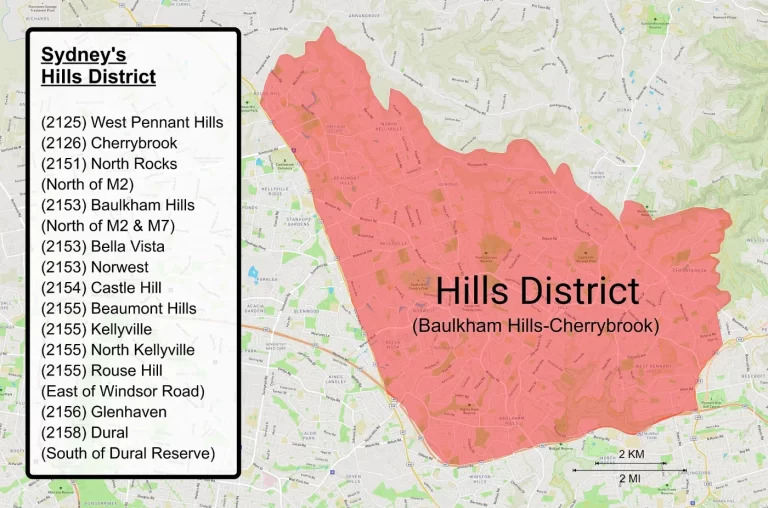
The Cattai Creek corridor links the Glenhaven and Kellyville sides of the valley. At properties beside bushland, note which fence or garden edge the snake crossed. Do not follow it into the creek corridor.
On larger blocks toward Dural and Kenthurst, tell us which outbuilding or enclosure is involved. Keep people out of the shed or coop and secure animals elsewhere only when the route is clear.
Glenhaven’s bushland is more than a backdrop to its gardens. Council’s ecological study of the Linksley Avenue–Rosebery Road corridor describes sandstone gully vegetation and creekside scrub, with remnant turpentine trees around Linksley Avenue and Timber Grove. This is a useful local distinction: a shaded, rocky creek edge offers different shelter from an exposed lawn or paved driveway.
Cattai Creek connects the Glenhaven and Kellyville landscape. Around a bush-facing home, a snake may pass between vegetation and garden cover without staying on the property. Keep regular walking routes clear on your own land, but leave reserve vegetation and creek banks undisturbed.
Glenhaven Oval on Glenhaven Road has a sports field, picnic facilities and a playground. If a snake is seen near a shared path or play area, move people away and notify the site manager. Report the exact spot rather than gathering a crowd around it.
For homes reached from Glenhaven Road or Old Northern Road, give the actual driveway or gate location. On a long driveway or terraced block, explain how to reach the sighting without crossing the snake’s path.
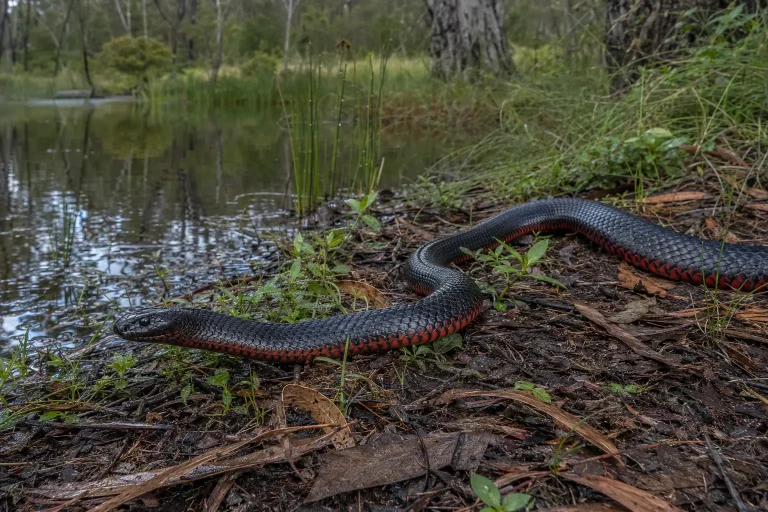
These regional species use different habitats. This is background information, not a ranking of Glenhaven call-outs or a way to identify a snake from a distance. Colour and markings vary; keep away from an unidentified animal.
Well suited to wooded northern Sydney and may travel through trees, pergolas, gutters or roof spaces. It can remain hidden while following rats or possums.
A possible visitor to creek lines, wet gardens, ponds and pool surrounds. Give it room and avoid blocking its path toward cover.
May occur near drier paddock margins, coops, sheds or stored feed where rodents are present. Colour is too variable for safe DIY identification.
A small night-active species associated with leaf litter, sandstone and damp shelter. Do not pick it up because it looks small.
May climb vegetation, fences or structures. It is variable in colour and can be confused at a glance with other slender snakes.
A garden lizard with a broad body and short legs that can be hidden by grass. Leave it alone and keep pets away. If you are uncertain what you saw, ask for identification help from a safe position.
Make it easier to see what is beside the house: clear clutter near doors, maintain grass and keep animal feed in sealed containers. Reducing food and shelter can help, but no tidy garden is guaranteed to stay snake-free.
If movement or a snake is seen near eaves, keep manholes closed and avoid entering the roof. Record the side of the building and whether birds, rodents or possums have also been heard.
Close the gate from outside the affected enclosure if safe, turn off automatic activity remotely and do not lift skimmer lids, pump covers or loose pavers.
Supply gate codes, driveway landmarks, stock locations and the last-seen paddock or building. A pin and a person at the entrance can prevent delay.
Leave the area as it is and tell us where the snake disappeared. Do not dismantle a retaining wall, lift roofing or hose out a hole. A photo of the location taken from safety can help explain access. An inspection may be possible, but finding a hidden snake cannot be guaranteed.
These existing photographs are from the Snakes in the City collection. They illustrate the service and snake habitat; they are not presented as Glenhaven call-outs. Never approach a snake to compare it with a photograph.
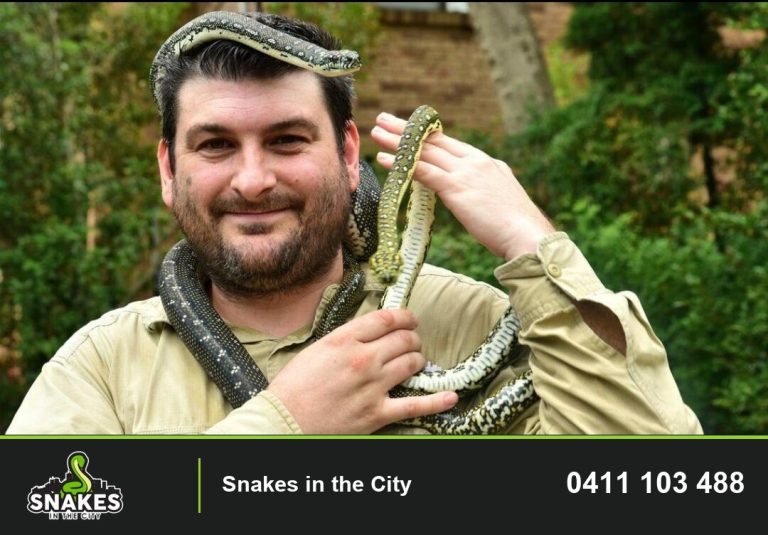
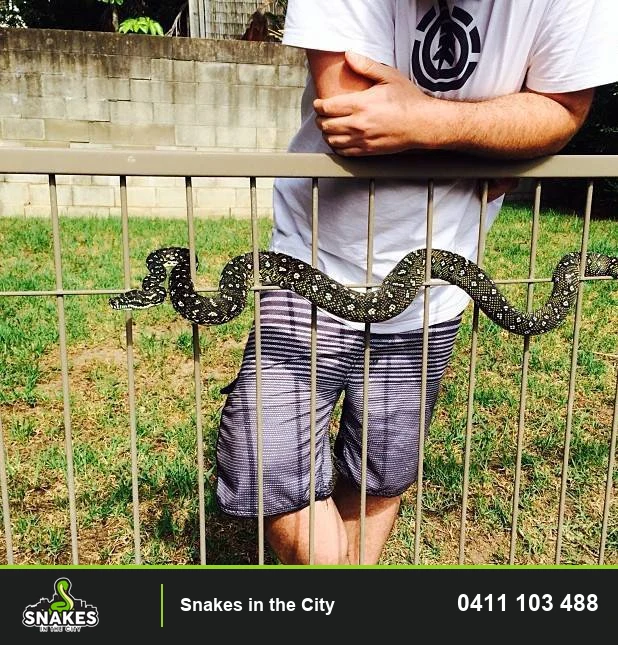
A suspected human snakebite needs an ambulance: call 000. A pet that may have been bitten needs urgent veterinary care. Keep the animal as quiet as possible and follow the vet’s transport advice; do not delay treatment while waiting for snake removal.
Level 1, 176 Hawkesbury Road, Westmead NSW 2145.
For a suspected bite, call 000 and let the ambulance team arrange care. This address is for local reference, not advice to drive yourself.
442 Old Northern Road, Glenhaven NSW 2156, opposite Flower Power.
(02) 9894 6344
Monday–Friday, 8 am–7 pm. Saturday’s 9 am–noon service is nurse-only, with no veterinarian available; closed Sunday. For an emergency during veterinary hours, call ahead if possible. Outside those hours use an emergency hospital.
7/2 Capital Place, Rouse Hill NSW 2155.
(02) 9129 5800
Emergency care for dogs and cats, including suspected snakebite. No appointment is required for emergencies.
1 Rowood Road, Prospect NSW 2148.
See the provider’s website for contact details
Another after-hours hospital listed by Glenhaven Vet. Emergency patients can attend without a booking or referral.
Provider details checked 13 September 2026. These are independent services; inclusion does not imply a partnership or endorsement.
The map shows Glenhaven, not a staffed office or a particular call-out. When you call, give the street number and entrance. A location pin can help with a long driveway; send it from safety.
Call 0411 103 488 for the current estimate. Availability, the catcher’s location, traffic and access all matter. We will discuss timing and the call-out fee when you call.
Leave the room and keep others out. Close the door only if you can do so without going near the snake. Do not try to cover, trap or move it. Tell us which room it is in and whether you can still see it.
Sightings are more likely in warm weather, but a warm day outside summer can also bring snakes out. Use the same precautions whenever you see one.
No. Rats, possums, birds and building movement can make similar sounds. A confirmed sighting or professional inspection is more reliable than sound alone.
No. Creek and bushland proximity can increase opportunity, but sightings also depend on shelter, prey, weather and chance.
Visible joints and accessible edges can be assessed, but a deep structural void may not be completely searchable. Do not dismantle the wall yourself.
Secure animals away from the sighting if that can be done from a safe route, stop people entering the shed or coop and identify feed and rodent activity for the catcher.
It may move on immediately or take cover. Keep the enclosure quiet and maintain a distant view rather than trying to direct it.
Sometimes a clear safe image helps, but colour varies with age, light and angle. Treat every unidentified snake cautiously.
See how capture, scene assessment and humane removal apply beyond this Glenhaven guide.
See our wider Hills Shire snake-removal guide, or find the page for the suburb where the sighting happened.
Read practical advice for keeping people and pets safe before and after a sighting.
Local landscape information comes from The Hills Shire Council. Emergency contacts link directly to their providers above. For first aid and wildlife background, see the sources below. Page updated 13 September 2026 by Snakes in the City.
For a nearby sighting, use the service guide for the suburb where the snake is located.
Keep children and pets away and call Snakes in the City. Tell us where the snake was last seen; we will discuss access, availability and the call-out fee.
Suspected human snake bite: call 000.
Looking for broader wildlife context? The mapped place point for Glenhaven falls in square F4 of our 2025 Sydney-region observation report. A suburb can extend into neighbouring squares; this is an orientation guide, not a suburb boundary map.
View square F4 around Glenhaven in the observation report →
Counts apply to the whole square, not each suburb listed. A suburb appearing in a square does not mean a snake was recorded in that suburb. These are public observation records, not SITC call-outs, unique snake totals or a measure of danger.
