
Established Hills snake removal
Snake Catcher Castle Hill
Castle Hill is a busy centre with an unexpectedly green underside: creek lines, bush tracks, heritage parkland and mature residential gardens. Snake calls here range from leafy acreage edges to compact courtyards near the town centre.
Local guide
Creek lines run through the urban centre
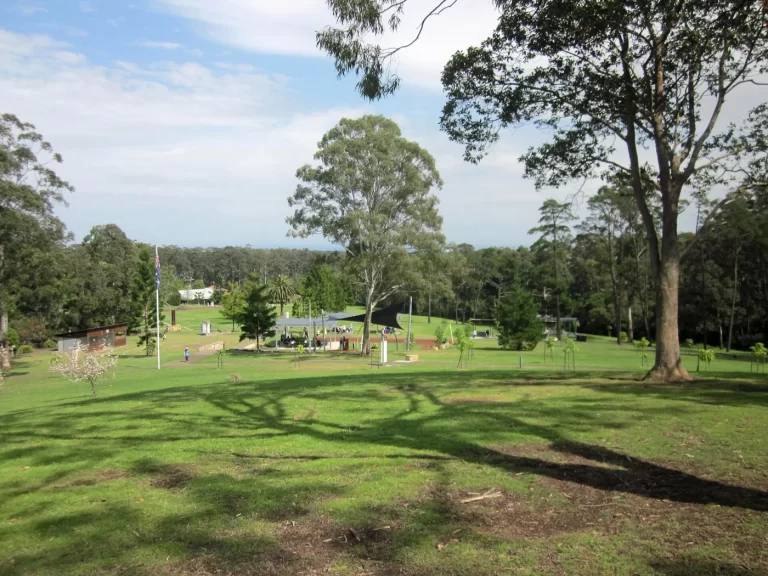
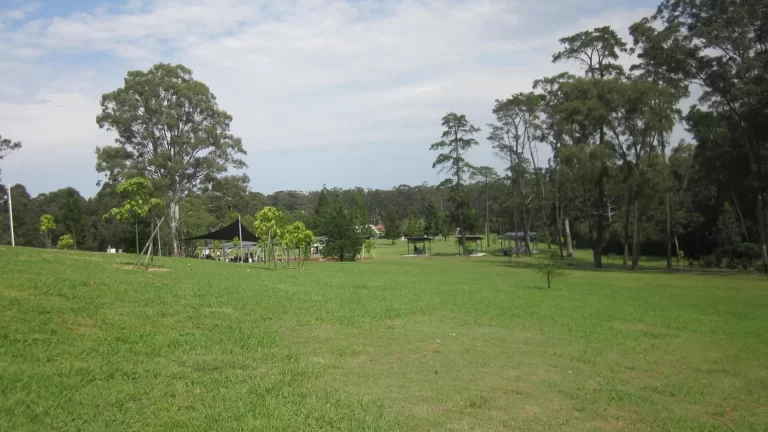
Castle Hill Heritage Park protects 20 hectares of rolling ground and remnant Blue Gum High Forest. Fred Caterson Reserve adds 58 hectares of sporting fields, bush tracks and a creek line that drains toward Cattai Creek. Together with smaller reserves, these places explain why wildlife can remain close to homes and businesses.
The suburb is not one uniform habitat. A snake behind a warehouse, one beside a pool in an established garden and one crossing a bush track are three different jobs. Access, shelter and the animal’s last direction of travel guide a safer response.
On the ground
One suburb, several very different call-outs
Creek-side homes
Gardens near Castle Hill Creek or Cattai Creek tributaries can provide damp movement lines, frogs and dense low cover.
Established pool gardens
Decades-old hedges, rocks and pump enclosures create cool hiding places. Keep the gate closed and watch from a window.
Commercial premises
Roller doors, loading bays, pallets and quiet service corridors can shelter a travelling snake. Stop foot traffic through the zone.
Reserve-edge recreation
On a track, stand still, give the snake room and let it move away. A removal is usually only needed when it enters a property or busy enclosed space.
Local habitat
Snakes that may be encountered around Castle Hill
Castle Hill’s drier ridges and wetter creek corridors can produce different species within a short distance. These habitat notes help explain a sighting; they are not a substitute for a safe identification.
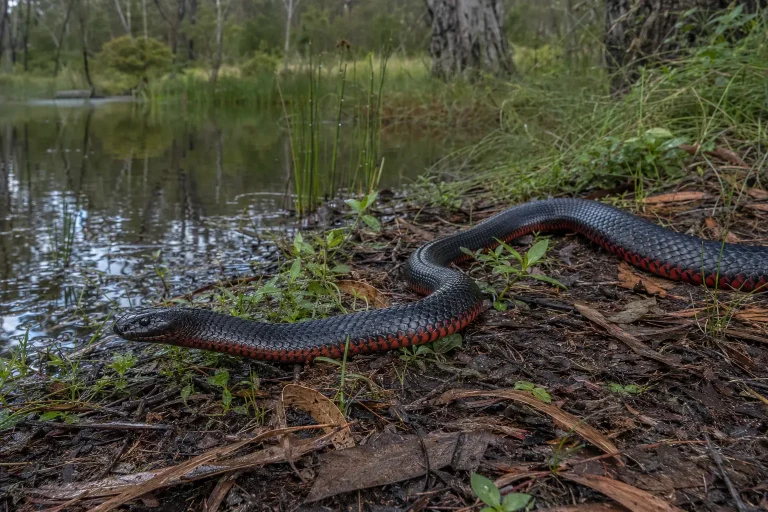
Red-bellied black snake
Creeks, frogs and damp reserve edges can suit this venomous species. It may pass through a yard between patches of wetter habitat.
Eastern brown snake
Open grass, disturbed ground and rodents can bring this highly venomous snake into sports, commercial or residential edges.
Yellow-faced whip snake
Often overlooked because it is slender. It may use warm courtyards and rockwork while hunting small lizards.
If you see one
A calm response protects everyone
Most risky encounters happen when someone tries to catch, hit or force a snake out of cover. The safest useful action is to reduce activity and preserve the last known location.
Clear the area
Move people and pets inside or behind a solid barrier. At work, stop access through the affected bay or room.
Keep your distance
Do not stand between the snake and the cover it is moving toward.
Retain the sightline
A watcher behind glass can save time by noting exactly where the animal settles.
Call with detail
Mention stairs, locked gates, loading access and any low void the snake may have entered.
Shared and public property
Castle Hill calls can involve far more than a backyard
Apartment garages, shopping and business premises, schools, sports grounds and older garden blocks all require different access plans. The safest response keeps people out of the affected route and gives the catcher a single, informed contact.
Basement or strata garage
Record the level, bay, ramp and nearest fire door. Ask the building manager to control vehicle entry without sending residents past the snake.
Shop or loading area
Close the immediate bay or room, redirect staff and customers, and leave pallets or stock where they are. Provide the loading-dock entrance rather than only the street address.
School or sports ground
Move students and players to another field or building, nominate one staff member and keep gates clear. Do not form a crowd around the sighting.
Reserve or walking track
Stop and give the snake a wide escape route. A catcher is generally needed when the animal enters a busy enclosed property, not simply because native wildlife crosses a bush track.
Fred Caterson Reserve covers 58 hectares and includes sports facilities, cycleways and bush tracks. Castle Hill Heritage Park adds 20 hectares of rolling ground and remnant Blue Gum High Forest, while Castle Hill Creek flows toward Cattai Creek. These council-verified features explain the suburb’s mix of recreation, creek corridor and built-up access problems without implying a snake is resident on any particular site.
Around the property
Practical ways to reduce surprise encounters
Nothing can make an Australian property completely snake-proof. These simple changes remove shelter and make movement easier to notice without harming native wildlife.
Who should coordinate a post-sighting check in a Castle Hill strata or commercial property? One building or strata contact should record the exact last position, restrict access and brief the snake catcher. After removal, the responsible manager can ask suitable trades to review roller-door edges, service penetrations, basement storage, loading areas and debris beside drains or grates. Any repair must preserve fire safety, access, drainage and ventilation.
- Keep pool equipment visible rather than buried behind stored furniture.
- Clear leaves from external doors, drains and the base of retaining walls.
- Fit door sweeps to storerooms, garages and ground-floor service doors.
- Manage rodents around bins, food businesses, bird cages and feed storage.
- Prune vegetation that completely bridges a fence or touches the house.
- Use a torch on bush-adjacent paths after dark and keep dogs on lead in reserves.
Do not try a DIY capture
Do not use a shovel, net, bin, glue trap or chemical repellent. Snakes are protected native wildlife, and an attempted capture sharply increases the chance of a bite.
Keep the scene quiet and call 0411 103 488.
People and pets
Emergency care near Castle Hill
These contacts are included so local families can act quickly. They do not replace emergency instructions: for any human snake bite, call 000 and wait for an ambulance.
Call Triple Zero
Do not wait for symptoms after a suspected snake bite. Keep the person still and follow the emergency operator’s instructions.
Blacktown Hospital
Blacktown Road, Blacktown, with a 24-hour emergency department. For snake bite, call 000 rather than choosing or driving to a hospital yourself.
VECA Norwest
7/2 Capital Place, Rouse Hill. Open 24/7 for urgent veterinary care, including suspected snake bite.
Finding the right property
Castle Hill traffic and site access vary sharply between the centre and residential streets. Give the property entrance, nearest cross street and last-seen location when you call.
Know who you are calling
Harley Jones is the licensed snake catcher behind Snakes in the City. Read Harley’s experience, training and NSW licence details for the background to the service.
ABC News interviewed Harley about Sydney snake call-outs in September 2023. Read the original ABC News report, or explore more independent media coverage.
For a Castle Hill call-out, our back office confirms catcher availability and location. Call 0411 103 488 to discuss your property and access.
Straight answers
Castle Hill snake questions
Do snakes live in Castle Hill’s reserves?
Native bushland supports native wildlife, including snakes. Most track encounters end when people stop, give space and allow the animal to leave.
What if a snake enters a shop or warehouse?
Stop customers and staff entering the area, close other internal doors if safe, and keep a watcher at a distance. Do not shift pallets or stock.
Can a snake get through a closed garage door?
Many garage doors leave gaps at the bottom corners or tracks. A correctly fitted seal can reduce access but cannot make a whole property snake-proof.
Should I identify it with an app before calling?
No. Apps and online photos can be wrong, and colour varies. Distance and location information are more important than a confident amateur identification.
Nearby service areas
Snake removal around Castle Hill
Nearby pages cover the different access and habitat patterns across the central Hills District. For a property in Kellyville, see our snake catcher Kellyville guide for local access and safety information.
Baulkham Hills
Established gardens, workplaces and creek-linked reserves.
Glenhaven
Leafy residential blocks and larger garden edges.
Dural
Acreage, nurseries, sheds and Old Northern Road properties.
Cherrybrook
Split-level gardens, bush-backed streets and pool areas.
Local references
Useful sources behind this guide
Habitat, emergency and place information has been cross-checked against government, museum and service-provider sources. Image credits and reuse licences are linked with the photographs.
Local and nearby snake-catcher guides
These links connect Castle Hill with nearby service pages and its wider regional service area.
Snake Catcher Glenhaven
View local safety, property and contact information for Glenhaven.
Snake Catcher Norwest
View local safety, property and contact information for Norwest.
Snake Catcher Baulkham Hills
View local safety, property and contact information for Baulkham Hills.

