1
Move people and pets
Bring children and animals indoors or into a secure area without crossing the snake’s path.

Cranebrook changes character quickly. One call may come from a compact yard near the shopping centre; the next may involve a long driveway, a chook pen or a fence facing open land toward Castlereagh. The suburb’s wetlands and surviving Cumberland Plain Woodland matter, but the exact shed, gate and last sighting matter more on the day.
Give it room. Do not corner, touch, trap or kill it, and never put yourself between the snake and the way it appears to be travelling.
Bring children and animals indoors or into a secure area without crossing the snake’s path.
Watch from behind glass, a fence or another protected position. If it disappears, remember the last fixed marker and direction.
Give the exact address, access details, last position and whether the snake is indoors, outside, injured or trapped.
Keep the person still and follow the emergency operator’s instructions. Apply a pressure immobilisation bandage if available. Do not wash, cut or suck the bite, use a tight tourniquet or try to catch the snake.
Much of Cranebrook is established housing from the late twentieth century, with pools, sheds, aviaries, schools and playing fields woven through the street network. North and west, the blocks open out and the landscape begins to feel rural. That change can put garden storage, poultry feed and drainage easements close to rough grass or remnant vegetation.
Two local places explain the habitat better than a generic ‘Western Sydney’ label. Cranebrook Wetland is a 9.1-hectare council bushland reserve entered from Olive Lane. Mountain View Reserve is a remnant of critically endangered Cumberland Plain Woodland on the Nepean Street side of the suburb. Kurwan Reserve adds a small patch of Cooks River Castlereagh Ironbark Forest near Goldmark Crescent.
If a snake moves toward the reserve behind a yard, do not follow it through the fence or into long grass. If it stays near a shed, pool pump or bird enclosure, leave that area untouched and note the last fixed marker. On longer blocks, send the right gate and driveway instructions rather than relying on the street number alone.
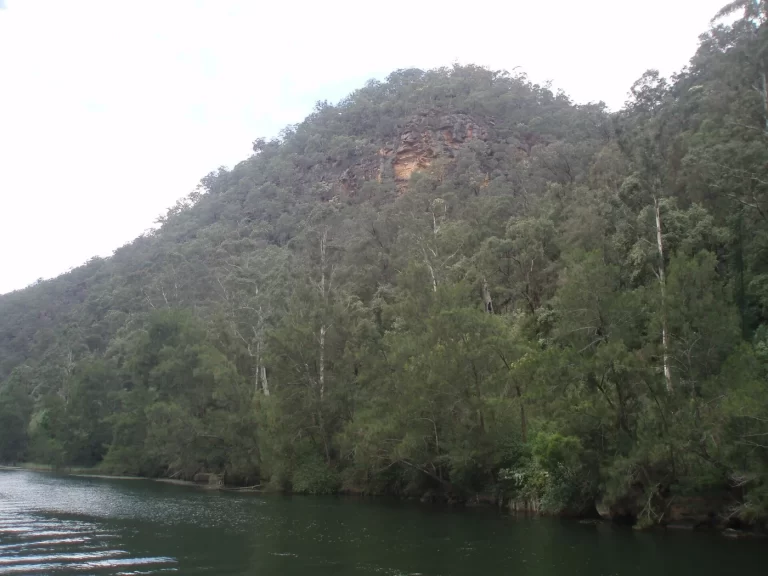
These named places are included because they explain the suburb’s real terrain. They do not prove that a particular snake occurs at a particular address.
Council lists a 9.1-hectare wetland reserve off Olive Lane. Wet ground, frogs and dense edges are useful habitat context, but they do not identify a snake seen on a nearby property.
This hillside reserve holds a remnant of Cumberland Plain Woodland and has views toward the Blue Mountains. Its habitat restoration work helps explain the surviving woodland on Cranebrook’s suburban edge.
The small reserve near Goldmark Crescent contains Cooks River Castlereagh Ironbark Forest. It is another example of a remnant patch sitting close to houses and local roads.
Do not search these spaces yourself. Use the descriptions below to give our team a clear, undisturbed starting point.
Spilled seed and feed can support rodents. Keep pets and birds separated from the sighting and do not drag bags, timber or cages away while the snake’s position is uncertain.
A pool pump, drain or shaded boundary bed may offer temporary cover. Watch from the house and resist the urge to lift the pump lid, pool cover or stored toys.
Give the rear gate, driveway branch and a fixed landmark. If the snake heads into public vegetation, do not pursue it or send children around the other side to keep watch.
These are Harley’s own regional field images. They show two very different habitat settings, but neither photograph is presented as a Cranebrook call-out.
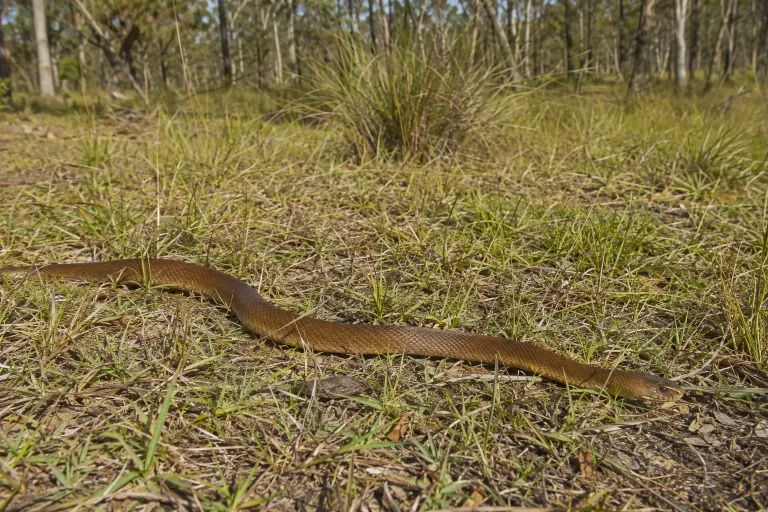
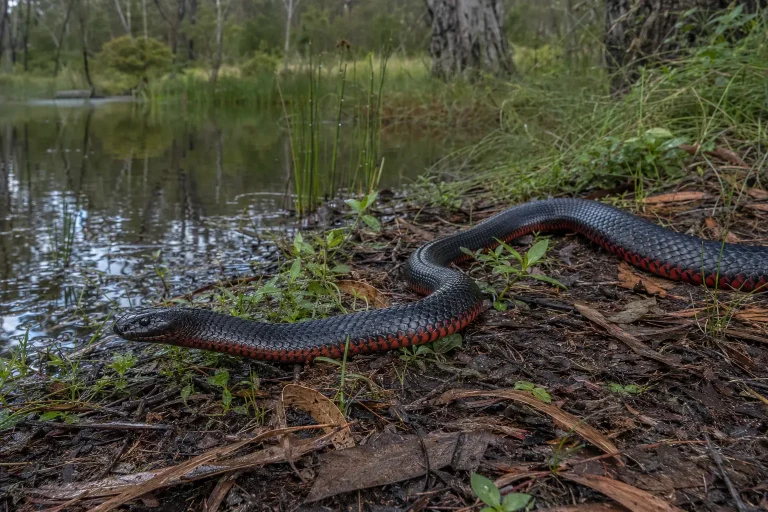
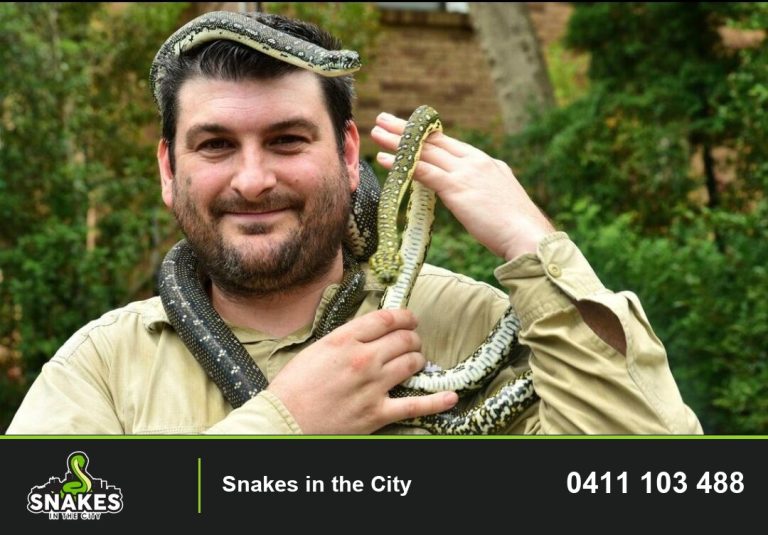
Harley Jones, Snakes in the City.
This photograph identifies the catcher who may attend. It is not a staged local sighting or a stock photograph.
Cranebrook includes dry yards, wetland edges and mature suburban trees, so habitat changes within a short distance. The species below are regional possibilities only; a place name and a colour are not an identification.
Open ground, sheds, building edges and places with rodent activity can provide useful habitat clues. Colour is wildly variable, so a tan, grey or dark snake should never be identified from colour alone.
Creeks, wetlands, dams, drains and frog-rich gardens are the habitat clues people often associate with this species. The red flank is not always visible, especially from above or at a distance.
Mature trees, roof spaces, rockwork and sheltered gardens can suit a diamond python. It is non-venomous, but an unknown snake still needs space and should not be handled by a householder.
An unknown snake stays unknown until it is assessed properly. Natural variation, juveniles, shadows and distance make colour matching unreliable.
No normal home, garden or rural block can be guaranteed snake-free. The useful goal is better visibility, fewer concealed shelter points and less food for rodents.
These verified contacts are included for safety, not as endorsements. A human snakebite is always a 000 emergency; do not drive the patient to hospital yourself unless emergency services direct you.
Derby Street, Kingswood NSW 2747
Hospital information: (02) 4734 2000
Suspected snakebite: call 000, not the hospital switchboard.
1 Rowood Road, Prospect NSW 2148
24/7 veterinary option: See the provider’s website for contact details
Keep pets away from the snake and call the veterinary team for transport advice.
The immediate risk and the last reliable sighting are assessed first. Do not enter reserve vegetation or climb a fence to follow the snake. Tell our team exactly where it crossed the boundary.
Keep away, secure dogs elsewhere and avoid entering the pen or moving feed. Note whether the snake is outside, under the structure or inside the enclosure and call with the gate details.
No. Wet habitat is only one clue and different species can overlap. Do not use the setting, colour or a quick glimpse to decide that the snake is safe to approach.
Give the correct street gate, a mailbox or fence description, any internal fork and the nearest fixed structure to the last sighting. Mention livestock and loose dogs before the catcher enters.
Stop following it. Mark the last point from a safe place, keep people and pets out and explain its direction of travel when you call.
Local landscape facts were checked against: Cranebrook Wetland · Mountain View Reserve · Kurwan Reserve. Snake safety follows Healthdirect and NSW Environment. Local details reviewed 28 August 2026.
These links connect Cranebrook with nearby service pages and its wider regional service area.
Regional guide: View Penrith and the Lower Blue Mountains service area.
Keep your distance, bring people and pets away and call Snakes in the City with the last safe location. If anyone may have been bitten, call 000 immediately.
For the lake precinct to the south: see the Jordan Springs snake catcher guide for lake paths, the Village Oval and compact-home access.
Looking for broader wildlife context? The mapped place point for Cranebrook falls in square C4 of our 2025 Sydney-region observation report. A suburb can extend into neighbouring squares; this is an orientation guide, not a suburb boundary map.
View square C4 around Cranebrook in the observation report →
Counts apply to the whole square, not each suburb listed. A suburb appearing in a square does not mean a snake was recorded in that suburb. These are public observation records, not SITC call-outs, unique snake totals or a measure of danger.
.jpg)