At a house
State whether it was at a garage, pool equipment, shed, upper terrace or lower garden. Do not reach into a retaining-wall joint or move stacked materials.

Glenmore Park has estate streets, managed reserves, schools and changing development edges. The important detail in a snake call is the exact safe access point and last visible position—not a guess about where the animal came from.
Call Snakes in the City: 0411 103 488
NSW General Licence MWL000102655 · phone answered 24/7 · no weekend or public-holiday loading · attendance depends on location and current conditions.
Keep children, visitors and pets well away. If safe, close a door or gate without approaching the snake. Watch from inside or behind a solid barrier; do not corner, handle or try to move it. A photo is optional and only from a safe position.
State whether it was at a garage, pool equipment, shed, upper terrace or lower garden. Do not reach into a retaining-wall joint or move stacked materials.
Nominate one contact and the exact gate or building. Keep the affected route closed and tell the catcher about temporary fencing and active work areas.
Use a street address, reserve entrance or fixed fence panel. Never enter vegetation or block the snake’s exit to maintain sight of it.
If it disappears, tell us its last reliable position and when it was lost from view. A lost sighting does not prove it has left; capture is not guaranteed without locating it. Read how dispatch works.
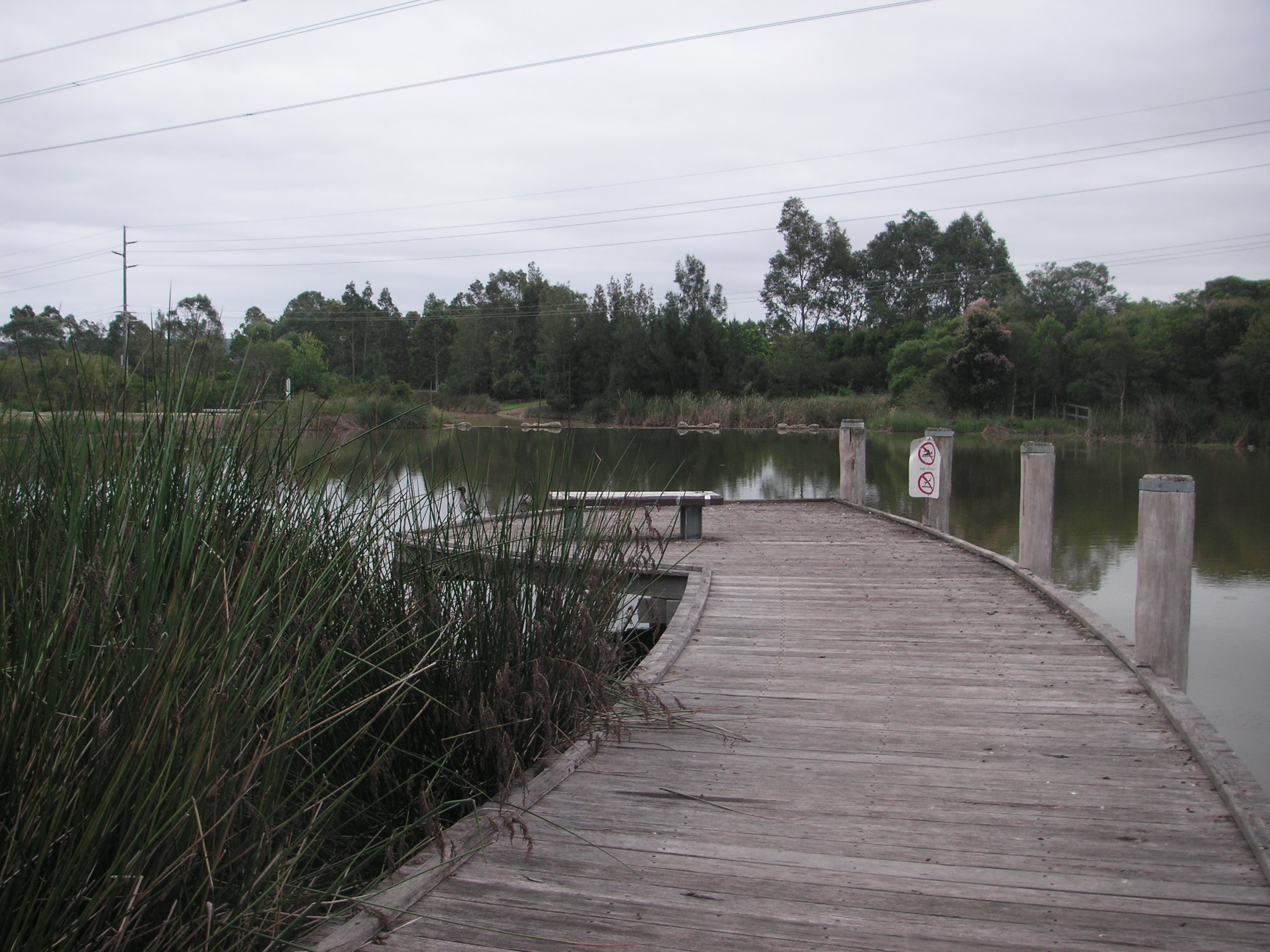
Penrith City Council lists Casuarina Reserve with access from Garswood Road, Central Tree Reserve from Jarra Crescent, Woodbrook Grove reserve from Woodbrook Grove, and Applegum Reserve from Lady Jamison Drive. The council also describes a Glenmore Ridge vegetation corridor running between Ridgetop Drive and Gunyah Drive. These are distinct access landmarks; they do not prove a snake originated in a reserve.
On compact courts and townhouse sites, side gates and shared paths may be the critical detail. On a sloping block, distinguish the upper house, lower yard and retaining wall. For a developing southern property, describe the completed street access rather than an unmarked construction approach. Do not assume every Glenmore Park address has the same landscape.
Penrith City Council’s reserve entrances and vegetation descriptions.
| Retaining walls and garden storage | Name the wall or stack from a safe distance. Do not lift sleepers, pots or timber. |
|---|---|
| Pool, shed and garage | Say which door or piece of equipment was nearest; close access only if it can be done without approaching. |
| School, childcare or shared complex | Give the precise gate, affected zone and one contact who can direct the catcher while others stay back. |
| Last seen moving | Report direction, time and a fixed landmark, not an assumed species or nest. |
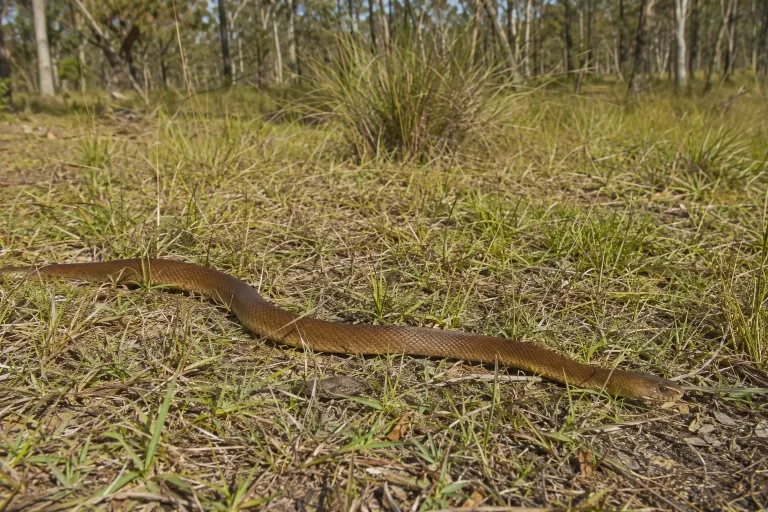
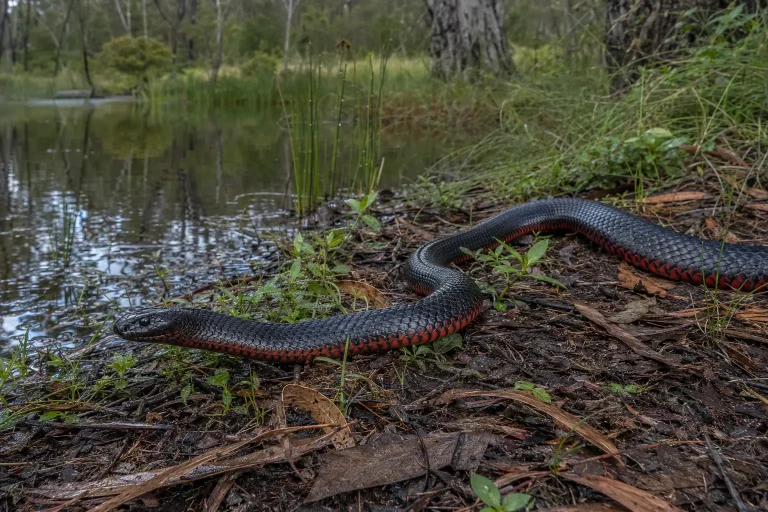
Regional habitat is context, not a Glenmore Park sighting register. The Australian Museum describes eastern brown snakes in open and modified settings and red-bellied black snakes in moist habitats as well as other environments. Neither a garden, reserve nor water nearby identifies an individual animal. Colour varies; treat any unknown snake as potentially dangerous and keep back.
Nepean Hospital has a 24-hour emergency department at Derby Street, Kingswood NSW 2747; general enquiries (02) 4734 2000. For suspected snakebite, call 000 and wait for ambulance advice rather than driving yourself. Official Nepean Hospital details.
Limit movement and ask about safe transport. WellPet’s Nepean Animal Hospital, 50 Mulgoa Road, Regentville NSW, states that emergency care is available 24/7 including public holidays. Phone (02) 4733 3456 to check current capacity and arrival instructions; do not assume every case can be accepted without notice. Official WellPet details.
Neighbouring guides for the south-west Penrith area include Regentville, Mulgoa, Orchard Hills and Jamisontown. These links follow geography, not alphabetical sequence.
Looking for broader wildlife context? The mapped place point for Glenmore Park falls in square B4 of our 2025 Sydney-region observation report. A suburb can extend into neighbouring squares; this is an orientation guide, not a suburb boundary map.
View square B4 around Glenmore Park in the observation report →
Counts apply to the whole square, not each suburb listed. A suburb appearing in a square does not mean a snake was recorded in that suburb. These are public observation records, not SITC call-outs, unique snake totals or a measure of danger.
