
Snake Catcher Rouse Hill
Rouse Hill mixes new housing, established acreage, creek corridors and open grass. That combination can bring snakes close to patios, garages, retaining walls and family pets—especially through the warmer months.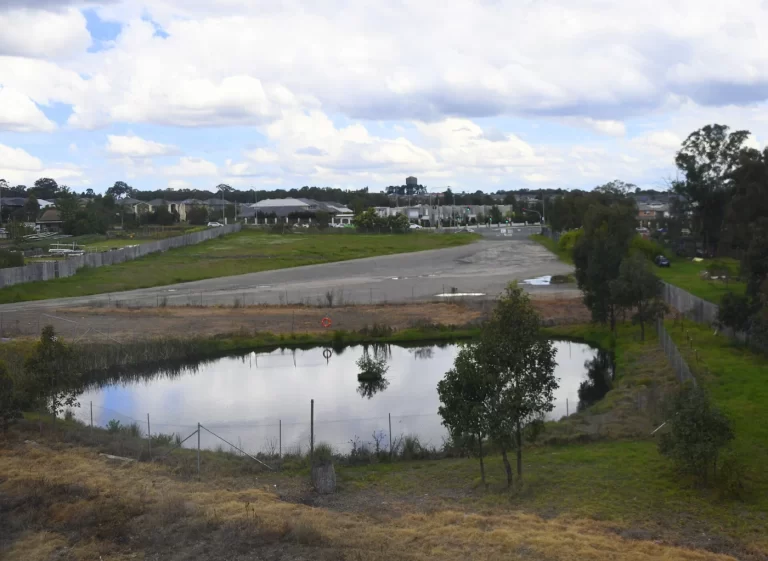
Arranging snake removal in Rouse Hill
Snakes in the City serves Rouse Hill and surrounding Hills District suburbs. Give us your address, last sighting and gate or building-access details. Our team confirms the available catcher and discusses an arrival estimate. A competitive call-out fee applies. If the snake has disappeared, keep the area clear and report its last-seen point. Do not move stored materials or open up a wall or deck yourself. An animal that is concealed or has left may not be located. How dispatch works · Experience and licence informationA fast-growing suburb with old habitat lines
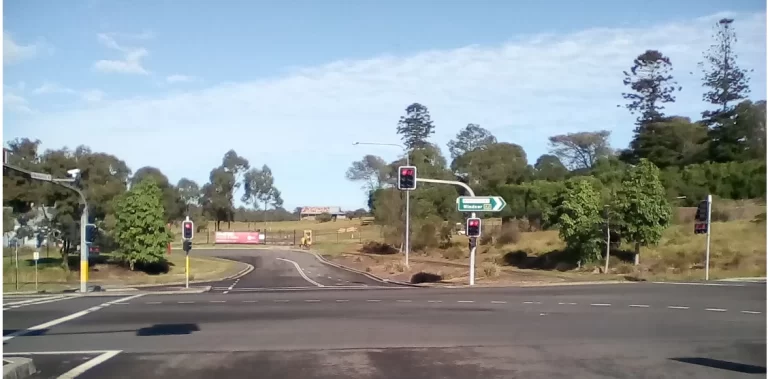
Access around Rouse Hill homes
New-estate boundaries
Fresh landscaping, temporary fencing and adjoining vacant lots leave plenty of open edges. Snakes may cross a yard while moving between grass, drainage and shelter.Retaining walls and service gaps
Warm masonry and small voids around pipes create protected routes. Keep sight of the animal and do not reach into a gap.Pools and drainage basins
Water attracts frogs and other prey. A snake beside a pool is not necessarily trapped, but it should be given space and watched from indoors.Garages and pet areas
Roller-door gaps, stored bags and pet food can support rodents. Close internal doors, move pets away and call before shifting anything.Snakes that may be encountered around Rouse Hill
These are species a catcher may consider around north-west Sydney habitat. A colour or a quick phone photo is not enough for a safe identification, so keep your distance and treat every unknown snake with care.
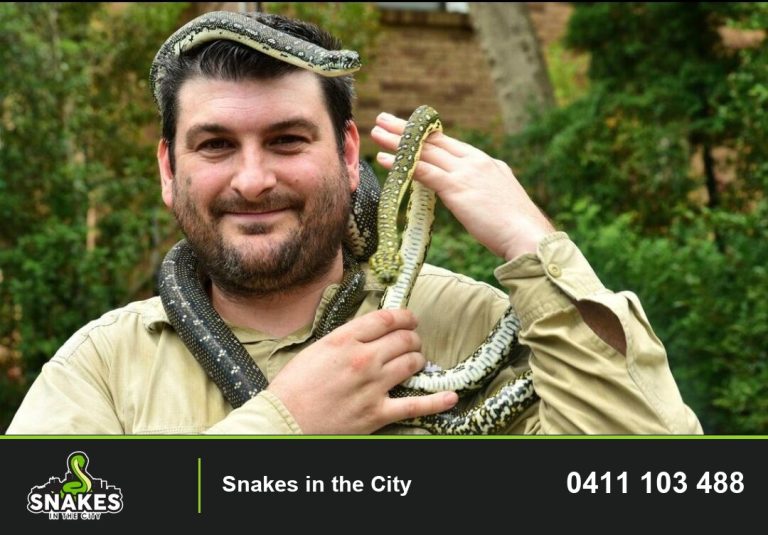
A calm response protects everyone
Most risky encounters happen when someone tries to catch, hit or force a snake out of cover. The safest useful action is to reduce activity and preserve the last known location.
Create distance
Move children and pets inside. Do not crowd, corner or prod the snake.Keep a visual
Watch from behind glass or another safe barrier. Note the last place it was seen.Call the catcher
Tell us whether it is in the open, under cover or inside a building. A distant photo can help if it is safe to take one.Leave the route clear
Avoid moving bins, timber or furniture. The safest approach depends on the animal still being where you saw it.Practical ways to reduce surprise encounters
Nothing can make an Australian property completely snake-proof. These simple changes remove shelter and make movement easier to notice without harming native wildlife.- Seal the bottom and side gaps around garage doors where practical.
- Store bird seed, pet food and stock feed in rodent-resistant containers.
- Trim dense groundcover back from frequently used paths and play areas.
- Keep pool-pump enclosures, meter boxes and retaining-wall voids easy to inspect.
- Remove long-term piles of timber, tiles or building materials near the house.
- Use a torch at night and wear enclosed shoes around sheds and garden edges.
Do not try a DIY capture
Do not use a shovel, net, bin, glue trap or chemical repellent. Snakes are protected native wildlife, and an attempted capture sharply increases the chance of a bite. Keep the scene quiet and call 0411 103 488.Emergency care near Rouse Hill
These contacts are included so local families can act quickly. They do not replace emergency instructions: for any human snake bite, call 000 and wait for an ambulance.
Call Triple Zero
Every suspected snake bite is a medical emergency. Keep the person still and follow the ambulance operator’s instructions. Call 000Blacktown Hospital
Blacktown Road, Blacktown. Its emergency department operates 24 hours. Do not drive a bite patient yourself—call 000. NSW Health detailsVECA Norwest
7/2 Capital Place, Rouse Hill. Open 24/7 for veterinary emergencies, including suspected snake bite. 02 9129 5800Finding the right property
Rouse Hill stretches across both established and newly developed pockets. When you call, a street name and the part of the property where the snake was last seen are more useful than a suburb name alone. Open Rouse Hill in Google MapsRouse Hill snake questions
What should I do if a snake disappears under my deck?
Keep people and pets away from the deck, stop anyone reaching into the gap and call with the exact last-seen point. Do not pull boards or stored items apart.Are there snakes around Rouse Hill Regional Park?
The park and connected creek habitat support wildlife, so snake encounters are possible. Stay on formed paths, supervise dogs and never approach a snake for a photo.Can a snake climb a retaining wall or fence?
Some snakes climb very well and many can follow rough masonry, vegetation or gaps. A fence is not a guarantee that a yard is snake-proof.Is the new Rouse Hill Hospital open for snake bites?
Construction is progressing, but it is not the current emergency destination. For any suspected bite, call 000 and let the ambulance service choose the appropriate hospital.Snake removal around Rouse Hill
Nearby pages explain how habitat and property design change across adjoining north-west Sydney suburbs. For a sighting elsewhere in the Hills District, our snake catcher Castle Hill guide covers local homes, strata and business premises. See the Hills District service guide for wider coverage.

3.png)